
Introduction
When it comes to essential vitamins for good health, Vitamin B12 stands out as one of the most vital. Known as cobalamin, Vitamin B12 plays a critical role in nerve function, red blood cell formation, DNA synthesis, and energy production.
Despite its importance, Vitamin B12 deficiency is alarmingly common, especially among vegetarians, vegans, and older adults. The body does not naturally produce Vitamin B12, so it must be obtained through food or supplements.
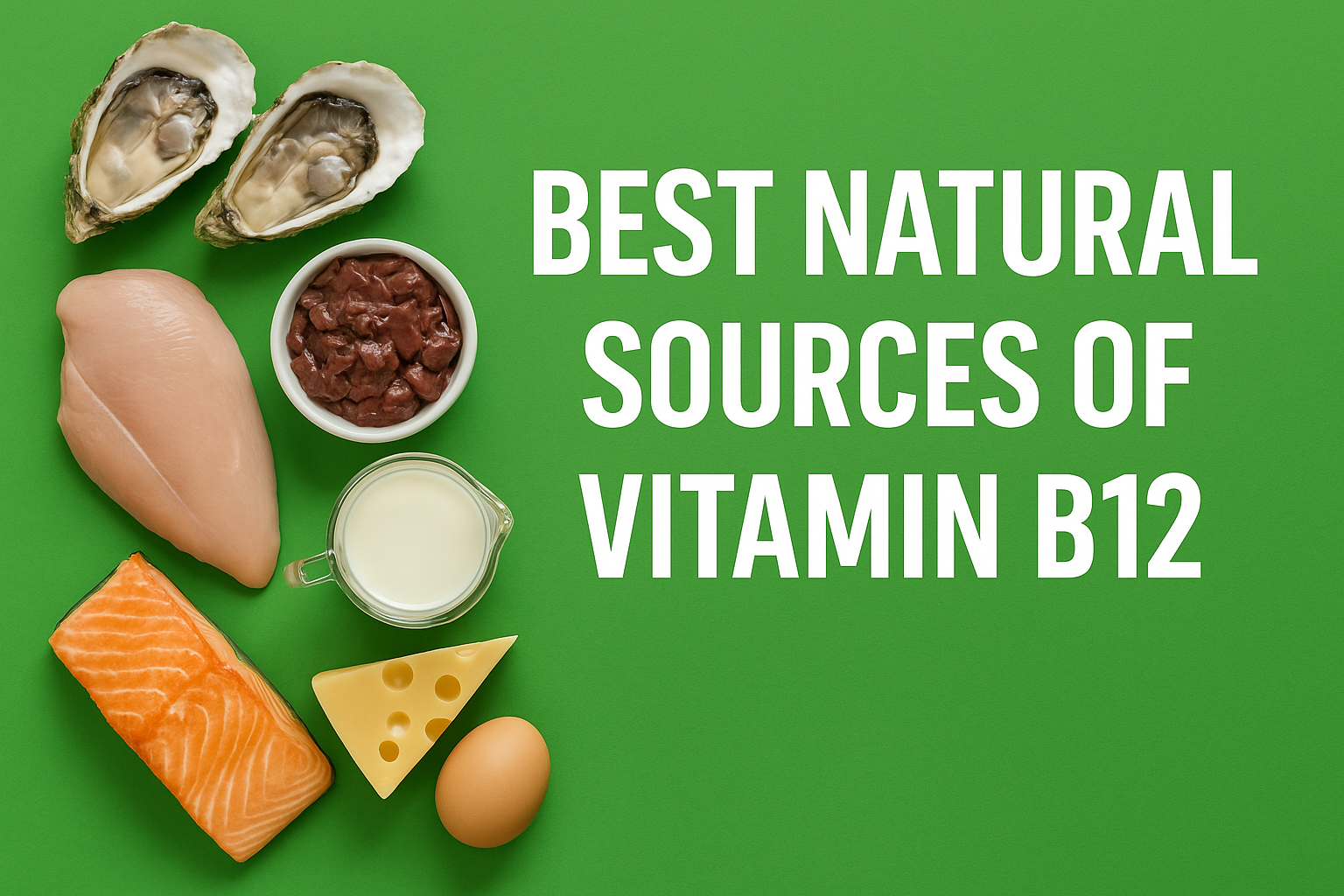
This article provides a detailed guide on the best natural sources of Vitamin B12, their health benefits, how to include them in your daily meals, and practical tips to maintain optimal B12 levels naturally.
Let’s dive deep into understanding this crucial nutrient and how to get enough of it for a healthy life.
What is Vitamin B12 and Why is it Important?
Vitamin B12 is a water-soluble vitamin that helps keep the body’s nerve and blood cells healthy. It also supports the production of DNA, the genetic material in all cells.
Unlike most other vitamins, Vitamin B12 is primarily found in animal-based foods, which makes it difficult for people following a strict vegetarian or vegan diet to get enough.
Key Functions of Vitamin B12:
- Red Blood Cell Formation:Vitamin B12 helps in the production of healthy red blood cells. Without adequate B12, cells become large and irregular, leading to anemia and fatigue.
- Nerve Function:It maintains the protective sheath (myelin) around nerves, ensuring smooth communication between the brain and the body.
- DNA Synthesis:B12 works with folate to create and repair DNA, the building blocks of cells.
- Energy Metabolism:Vitamin B12 helps convert carbohydrates into glucose, which fuels energy production and prevents tiredness.
- Brain and Mental Health:Low B12 levels are linked to memory loss, depression, confusion, and cognitive decline.
Recommended Daily Intake of Vitamin B12
The daily recommended amount of Vitamin B12 varies based on age and condition:
| Group | Recommended Daily Intake |
|---|---|
| Infants (0–6 months) | 0.4 mcg |
| Children (1–3 years) | 0.9 mcg |
| Teenagers (14–18 years) | 2.4 mcg |
| Adults | 2.4 mcg |
| Pregnant Women | 2.6 mcg |
| Breastfeeding Women | 2.8 mcg |
Even though the requirement is small, a deficiency can have serious long-term effects on physical and mental health.
Health Benefits of Vitamin B12
Before we discuss the top natural sources, let’s understand how adequate Vitamin B12 supports your body:
1. Prevents Anemia and Fatigue
B12 deficiency leads to megaloblastic anemia, where red blood cells are larger and fewer in number. This reduces oxygen flow, causing weakness and chronic fatigue.
2. Supports Brain Health
Vitamin B12 maintains nerve integrity and brain volume. Studies show that regular B12 intake may lower the risk of Alzheimer’s disease and memory decline.
3. Boosts Mood and Mental Health
B12 helps produce serotonin, a neurotransmitter that regulates mood. Low levels may contribute to anxiety and depression.
4. Strengthens Heart Health
High homocysteine levels are linked to heart disease, and B12 helps reduce these levels, improving cardiovascular health.
5. Aids Digestion and Nutrient Absorption
Vitamin B12 helps in the production of digestive enzymes and supports the gut’s healthy bacteria balance.
6. Promotes Healthy Skin, Hair, and Nails
B12 helps regenerate skin cells, prevents hyperpigmentation, and supports strong hair and nail growth.
Best Natural Sources of Vitamin B12
Now let’s look at the top natural food sources that provide Vitamin B12, both animal-based and plant-based (for vegetarians and vegans).
1. Liver and Kidneys (Beef, Lamb)
Type: Non-vegetarian
Vitamin B12 Content: 70–80 mcg per 100g
Organ meats like liver and kidney, especially from beef and lamb, are the richest sources of Vitamin B12. A single serving can provide over 30 times the daily recommended amount.
Health Benefits:
- Boosts red blood cell production
- Improves energy levels
- Supports liver detoxification
How to Include in Diet:
Cook lightly or add to stews and soups for a nutritious boost.
2. Fish (Salmon, Tuna, Sardines, Trout, Mackerel)
Type: Non-vegetarian
Vitamin B12 Content: 5–20 mcg per 100g
Fatty fish are not only rich in Omega-3s but also loaded with Vitamin B12. They help improve heart, brain, and skin health.
How to Include:
- Grill or steam salmon twice a week.
- Add sardines or tuna to salads.
- Use trout in baked dishes or soups.
Bonus Tip:
Wild-caught fish generally contain higher Vitamin B12 levels than farmed fish.
3. Chicken and Turkey
Type: Non-vegetarian
Vitamin B12 Content: 0.5–1 mcg per 100g
Poultry like chicken and turkey are lean protein sources that provide a decent amount of Vitamin B12, perfect for daily consumption.
How to Include:
- Eat grilled or roasted chicken breast.
- Use turkey slices in sandwiches or wraps.
4. Shellfish (Clams, Oysters, Mussels, Crab, Shrimp)
Type: Non-vegetarian
Vitamin B12 Content: 15–85 mcg per 100g (especially high in clams)
Shellfish are nutrient-dense foods rich in Vitamin B12, zinc, and iron. Clams are among the highest B12 sources in the world.
How to Include:
- Steam or cook clams and mussels in garlic butter.
- Add shrimp to rice, noodles, or salads.
5. Eggs
Type: Vegetarian-friendly (ovo-vegetarian)
Vitamin B12 Content: 0.5–1.2 mcg per egg
Eggs are one of the best natural sources of Vitamin B12 for vegetarians who eat animal products. Most of the B12 is concentrated in the yolk.
How to Include:
- Eat boiled or scrambled eggs for breakfast.
- Add them to salads, sandwiches, or curries.
Tip:
Pair eggs with whole grains or vegetables for a complete nutrient profile.
6. Dairy Products (Milk, Cheese, Yogurt)
Type: Vegetarian
Vitamin B12 Content: 0.8–1.5 mcg per cup
Dairy products are great sources of B12 for vegetarians. They also provide calcium and protein for bone health.
How to Include:
- Drink a glass of milk daily.
- Add cheese to whole-grain toast or pasta.
- Eat probiotic yogurt to aid digestion.
7. Fortified Plant-Based Milk and Cereals
Type: Vegan
Vitamin B12 Content: 1–3 mcg per serving
For vegans, fortified foods are essential sources of Vitamin B12, as plants naturally lack it. Brands often fortify soy milk, almond milk, oat milk, and breakfast cereals with synthetic B12.
How to Include:
- Replace dairy milk with fortified plant-based milk.
- Choose fortified cereals for breakfast with fruits and nuts.
8. Mushrooms (Fortified Varieties)
Type: Vegetarian/Vegan
Vitamin B12 Content: 1–5 mcg per 100g (in UV-exposed mushrooms)
Some mushrooms, especially those exposed to UV light, naturally produce small amounts of Vitamin B12.
How to Include:
- Sauté mushrooms in olive oil.
- Add them to soups, salads, or stir-fries.
9. Nutritional Yeast
Type: Vegan
Vitamin B12 Content: 2–5 mcg per tablespoon (fortified)
Nutritional yeast has a cheesy flavor and is a popular B12 source among vegans. It is often used as a seasoning or topping.
How to Include:
- Sprinkle on popcorn, pasta, or salads.
- Add to soups and sauces for a cheesy taste.
10. Fortified Tofu and Tempeh
Type: Vegan
Vitamin B12 Content: 1–3 mcg per 100g
Certain brands of tofu and tempeh are fortified with Vitamin B12, providing an excellent source for plant-based eaters.
How to Include:
- Stir-fry with vegetables.
- Use in curries or sandwiches as a meat substitute.
Vegetarian and Vegan Options Summary
| Source | Type | B12 (Approx.) | Tips |
|---|---|---|---|
| Fortified Nutritional Yeast | Vegan | 2–5 mcg/tbsp | Sprinkle on meals |
| Fortified Soy/Almond Milk | Vegan | 1–3 mcg/cup | Use in shakes or coffee |
| Dairy (Milk, Cheese, Yogurt) | Vegetarian | 0.8–1.5 mcg/cup | Consume daily |
| Eggs | Ovo-Vegetarian | 1 mcg/egg | Eat for breakfast |
| Fortified Cereals | Vegan | 1–3 mcg/serving | Eat with fruits |
Vitamin B12 Deficiency: Causes and Symptoms
Common Causes
- Vegetarian or vegan diet without fortified foods
- Poor absorption due to age or digestive disorders
- Certain medications (e.g., metformin, antacids)
- Pernicious anemia (autoimmune disorder)
Symptoms of Deficiency
- Fatigue and weakness
- Pale skin or shortness of breath
- Tingling or numbness in hands and feet
- Memory loss or confusion
- Mood changes or depression
- Loss of appetite and weight loss
If untreated, long-term deficiency can cause irreversible nerve damage or cognitive impairment.
How to Prevent Vitamin B12 Deficiency
- Eat a Balanced Diet:Include natural sources like fish, eggs, dairy, and fortified foods regularly.
- Take Supplements if Needed:If you’re vegan, consider taking a B12 supplement (cyanocobalamin or methylcobalamin) as recommended by your doctor.
- Get Tested Annually:Check B12 levels through a blood test, especially if you experience fatigue or numbness.
- Support Gut Health:A healthy gut helps absorb B12 better, so include probiotics and fiber-rich foods in your diet.
- Avoid Overcooking:Vitamin B12 is heat-sensitive; overcooking can destroy some of its content.
Tips to Boost Vitamin B12 Naturally
- Combine B12-rich foods with Vitamin B9 (folate) for better DNA synthesis.
- Reduce alcohol intake as it interferes with absorption.
- Manage stress, as chronic stress can deplete B vitamins.
- Include fermented foods like yogurt and kimchi to support gut bacteria that aid absorption.
Frequently Asked Questions (FAQs)
1. Can vegetarians get enough Vitamin B12 naturally?
It’s difficult, but possible with dairy, eggs, and fortified foods. Vegans, however, must rely on fortified products or supplements.
2. Which fruit or vegetable contains Vitamin B12?
Fruits and vegetables generally do not contain B12 unless fortified. Some fermented vegetables or algae may contain trace amounts.
3. Can Vitamin B12 be stored in the body?
Yes, the liver stores Vitamin B12 for several years, but low intake can eventually lead to depletion.
4. Is B12 supplementation safe?
Yes, Vitamin B12 supplements are safe since excess amounts are excreted through urine.
5. What’s the best time to take B12 supplements?
Morning is ideal because B12 can boost energy levels and may interfere with sleep if taken late.
Conclusion
Vitamin B12 is one of the most essential nutrients your body needs for energy, focus, nerve function, and red blood cell production. A deficiency can affect every part of your health — from your brain to your mood to your metabolism.
The best way to ensure adequate intake is by eating a variety of B12-rich natural foods such as:
- Fish, liver, and eggs (for non-vegetarians)
- Dairy, fortified cereals, and nutritional yeast (for vegetarians and vegans)
If you follow a plant-based lifestyle, remember to monitor your B12 levels and consider fortified foods or supplements as necessary.
With consistent dietary planning, you can maintain healthy Vitamin B12 levels and enjoy long-lasting energy, sharp memory, and overall vitality.

