
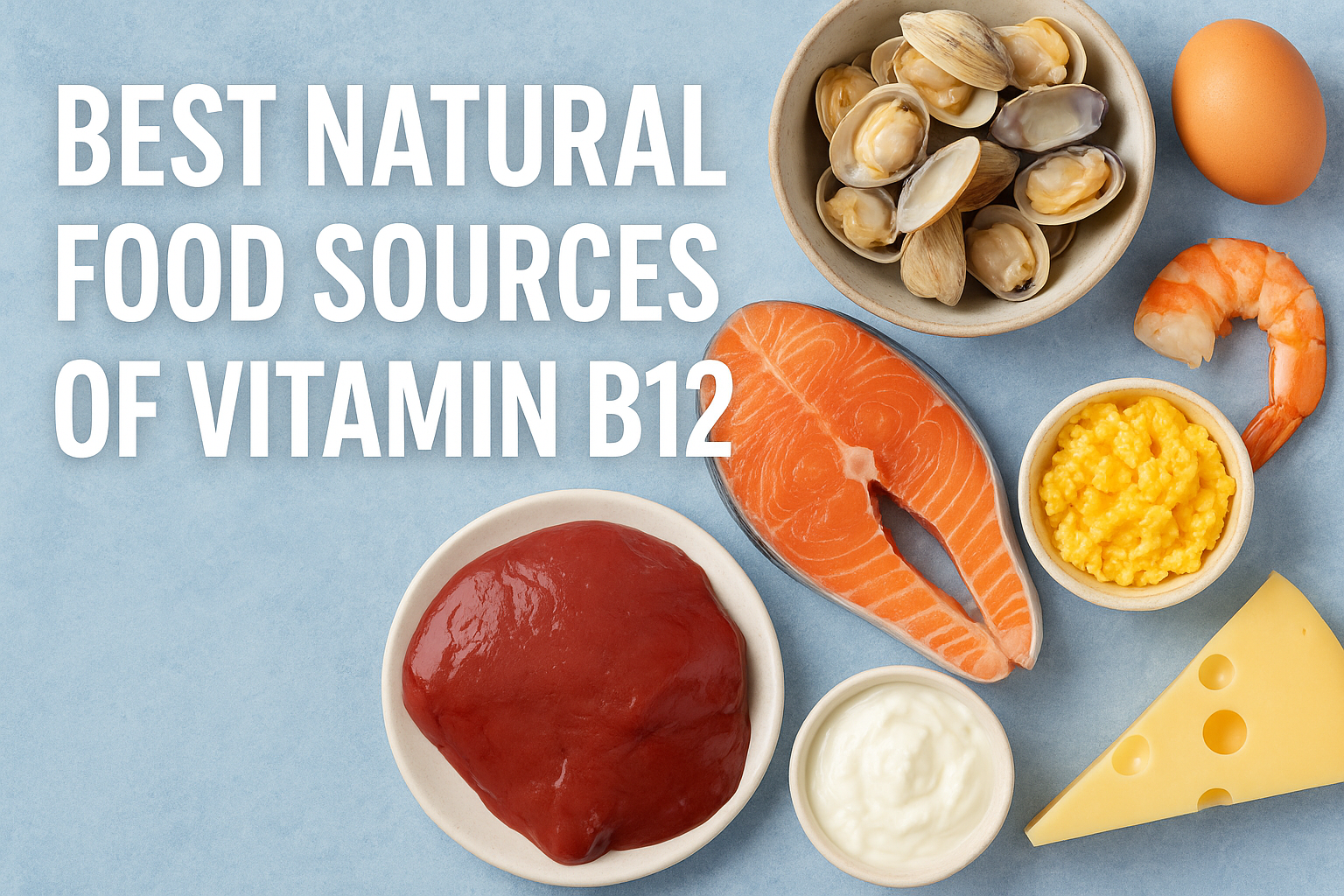
Vitamin B12 is one of the most essential nutrients that our body needs but cannot produce on its own. It plays a vital role in maintaining healthy nerve cells, supporting red blood cell formation, and boosting energy levels. Despite its importance, many people — especially vegetarians and vegans — are unaware that they might not be getting enough of it.
In this article, we’ll explore the best natural food sources of Vitamin B12, its benefits, symptoms of deficiency, and how you can maintain a healthy intake of this vital nutrient through your diet.
What is Vitamin B12?
Vitamin B12, also known as cobalamin, is a water-soluble vitamin that helps in the production of DNA, red blood cells, and the proper functioning of the nervous system. Unlike other vitamins, B12 is mainly found in animal-based foods, which makes it harder for people following plant-based diets to meet their daily requirements.
The human body stores Vitamin B12 in the liver, but these stores can deplete over time if your diet lacks sufficient sources. Deficiency can lead to fatigue, weakness, mood disturbances, and even nerve damage if left untreated.
Daily Requirement of Vitamin B12
The recommended daily intake (RDI) of Vitamin B12 varies by age, gender, and health condition:
| Age Group | Recommended Daily Intake |
|---|---|
| Infants (0–12 months) | 0.4–0.5 mcg |
| Children (1–8 years) | 0.9–1.2 mcg |
| Teens (9–18 years) | 1.8–2.4 mcg |
| Adults | 2.4 mcg |
| Pregnant Women | 2.6 mcg |
| Breastfeeding Women | 2.8 mcg |
Even though the daily requirement seems small, it’s important to get B12 consistently since the body cannot make it naturally.
Health Benefits of Vitamin B12
Before jumping into the food list, let’s understand why Vitamin B12 is so important for overall health:
1. Boosts Energy and Reduces Fatigue
Vitamin B12 helps convert carbohydrates into glucose, which your body uses as energy. Low levels of B12 can make you feel tired and weak even after sufficient rest.
2. Supports Brain and Nerve Health
B12 plays a crucial role in maintaining the protective covering of nerves called the myelin sheath. Adequate levels of B12 improve focus, memory, and mood stability.
3. Promotes Healthy Red Blood Cell Formation
It aids in producing red blood cells and prevents anemia. Without enough B12, your body makes abnormally large red blood cells that cannot function properly.
4. Improves Heart Health
Vitamin B12 helps lower homocysteine levels — an amino acid that, in excess, increases the risk of heart disease.
5. Supports Healthy Hair, Skin, and Nails
B12 is essential for cell reproduction and constant renewal of skin, hair, and nails, promoting a healthy appearance.
Best Natural Food Sources of Vitamin B12
Now that we understand why B12 is vital, let’s explore the top natural sources from which you can easily get it.
1. Clams (Seafood)
Clams are one of the richest sources of Vitamin B12. A small serving (around 100 grams) of cooked clams can provide over 3000% of the daily value. They are also high in protein, iron, and omega-3 fatty acids.
How to include: Steam them with garlic and lemon or add them to soups and pasta dishes.
2. Liver and Kidneys (Organ Meats)
Beef liver, lamb liver, and kidneys are powerhouse foods for B12. Just one slice of beef liver contains more than 700% of the daily requirement.
Nutritional bonus: These meats are also rich in Vitamin A, folate, and iron — essential for blood and immune health.
How to include: Cook lightly with onions and herbs for a nutritious meal.
3. Fish (Tuna, Salmon, Sardines, and Trout)
Fish are among the most nutritious sources of Vitamin B12 and healthy omega-3 fats.
- Tuna (100 g) – 10 mcg of B12 (417% of RDI)
- Salmon (100 g) – 4.2 mcg of B12 (175% of RDI)
- Sardines (100 g) – 8.9 mcg of B12 (370% of RDI)
- Trout (100 g) – 7.5 mcg of B12 (312% of RDI)
How to include: Grill or bake with olive oil and herbs for a healthy dinner.
4. Eggs
Eggs are a convenient and versatile source of B12, especially for vegetarians who include animal products in their diet. The yolk contains more B12 than the white part.
1 large egg provides about 0.6 mcg of Vitamin B12 (25% of RDI).
How to include: Enjoy boiled, scrambled, or as an omelet with vegetables.
5. Dairy Products (Milk, Yogurt, and Cheese)
Milk and milk-based products are excellent sources for vegetarians.
- 1 cup of milk provides around 1.2 mcg (50% of RDI).
- Yogurt and cheese (especially Swiss cheese) are also rich in B12.
How to include: Drink a glass of milk daily or have yogurt as a snack to maintain your B12 levels.
6. Poultry (Chicken and Turkey)
Chicken and turkey are moderate sources of Vitamin B12 and are also rich in lean protein.
100 g cooked chicken provides about 0.3–0.5 mcg, while turkey offers around 1 mcg.
How to include: Grill or roast with spices, or add to soups and salads.
7. Beef
Lean beef is an excellent source of B12 and iron. 100 g cooked beef provides about 2.6 mcg, which is over 100% of the daily requirement.
How to include: Opt for lean cuts like sirloin or tenderloin and avoid frying for a healthier option.
8. Fortified Foods (For Vegetarians & Vegans)
Since Vitamin B12 is naturally found in animal products, vegans and strict vegetarians need to rely on fortified foods.
Common B12-fortified foods include:
- Plant-based milk (soy, almond, oat milk)
- Fortified breakfast cereals
- Nutritional yeast
- Fortified tofu
Tip: Check the nutrition label to ensure that B12 is added in sufficient amounts.
9. Shellfish (Crab, Lobster, and Mussels)
Shellfish like crabs and lobsters are delicious seafood options packed with B12.
100 g crab meat provides around 9.8 mcg, while mussels provide an impressive 20 mcg.
How to include: Steam or grill with lemon and herbs for a protein-rich meal.
10. Nutritional Yeast
This is a vegan-friendly source of B12, especially when fortified. It has a cheesy, nutty flavor and can be sprinkled on popcorn, pasta, or salads.
1 tablespoon of fortified nutritional yeast provides up to 100% of the daily requirement.
Symptoms of Vitamin B12 Deficiency
A deficiency in Vitamin B12 can develop slowly and often goes unnoticed until it becomes severe. Common symptoms include:
- Persistent fatigue or weakness
- Pale or yellowish skin
- Numbness or tingling in hands and feet
- Shortness of breath or dizziness
- Memory loss or difficulty concentrating
- Mood changes, irritability, or depression
If you experience any of these symptoms, consult a doctor for a blood test and possible supplementation.
Who Is Most at Risk of Vitamin B12 Deficiency?
Some people are more prone to developing a deficiency, including:
- Vegans and vegetarians (since plant foods lack B12)
- Older adults (due to reduced stomach acid)
- People with digestive issues like Crohn’s disease or celiac disease
- Pregnant and breastfeeding women following plant-based diets
- People taking certain medications such as metformin or acid reducers
How to Maintain Healthy Vitamin B12 Levels
- Eat a Balanced Diet: Include animal-based or fortified foods daily.
- Get Regular Check-ups: If you’re at risk, test your B12 levels annually.
- Consider Supplements: If you’re vegan or have absorption issues, consult your doctor about oral or injectable B12 supplements.
- Cook Smartly: Avoid overcooking meat or fish, as heat can destroy some of the vitamin content.
Final Thoughts
Vitamin B12 might be small in quantity, but its role in keeping your body energetic, focused, and healthy is enormous. Including natural sources like seafood, eggs, dairy, and lean meats can easily meet your daily needs.
For vegetarians and vegans, fortified foods and supplements are a reliable way to prevent deficiency and stay healthy in the long run.
Remember — good nutrition is not about perfection, but consistency. A balanced diet that includes a variety of nutrient-dense foods will help you stay energized, mentally sharp, and full of life.

