
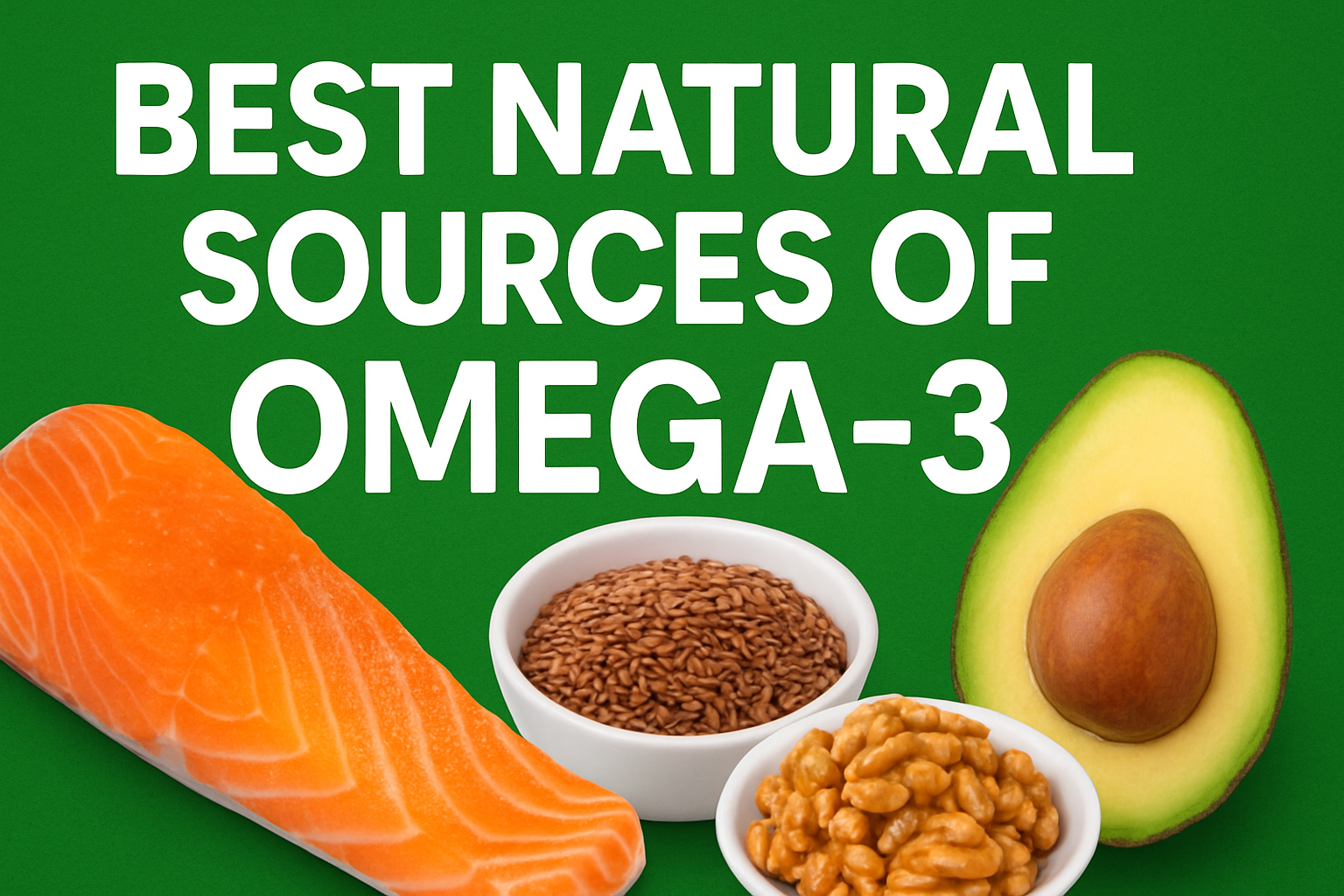
Introduction
In the world of nutrition, few nutrients are as powerful and widely discussed as Omega-3 fatty acids. These essential fats play a crucial role in maintaining your heart, brain, skin, and overall health. Yet, despite their importance, most people don’t get enough Omega-3s from their daily diet.
The human body cannot produce Omega-3s on its own — meaning you must get them from food or supplements. In this article, we’ll explore the best natural sources of Omega-3, both vegetarian and non-vegetarian, backed by science and health experts.
Whether you’re a health-conscious individual, a gym-goer, or someone trying to improve their diet, this guide will help you make informed food choices to boost your Omega-3 intake naturally.
What Are Omega-3 Fatty Acids?
Omega-3 fatty acids are a type of polyunsaturated fat, often called “good fats.” They help reduce inflammation, improve heart function, support brain health, and maintain healthy cell membranes.
There are three main types of Omega-3 fatty acids:
- ALA (Alpha-linolenic acid) – Found mostly in plant-based foods like flaxseeds, chia seeds, and walnuts.
- EPA (Eicosapentaenoic acid) – Found in fatty fish like salmon and sardines.
- DHA (Docosahexaenoic acid) – Also found in fatty fish and algae; it’s crucial for brain and eye health.
Your body can convert a small portion of ALA into EPA and DHA, but the conversion rate is very low. That’s why including direct sources of EPA and DHA in your diet is so important.
Health Benefits of Omega-3 Fatty Acids
Before we explore the best sources, let’s understand why Omega-3s are so vital:
1. Supports Heart Health
Omega-3s help reduce triglyceride levels, lower blood pressure, and decrease the risk of heart disease. Studies show that people who consume Omega-3-rich foods regularly have a lower chance of heart attacks and strokes.
2. Boosts Brain Function
DHA is a major structural component of the brain. It enhances memory, learning, and mood regulation. Low DHA levels have been linked to depression and cognitive decline.
3. Promotes Eye Health
Omega-3s, especially DHA, are essential for retinal function. They help prevent macular degeneration — a leading cause of vision loss in older adults.
4. Reduces Inflammation
Omega-3s help control inflammation in the body, making them beneficial for conditions like arthritis, asthma, and inflammatory skin issues.
5. Supports Pregnancy and Infant Development
Pregnant women need adequate Omega-3 intake for the baby’s brain and eye development. DHA is especially critical during the last trimester and early infancy.
6. Improves Skin and Hair
Omega-3s nourish your skin from within, reducing dryness and acne. They also promote healthy, shiny hair by improving scalp circulation.
Best Natural Sources of Omega-3 Fatty Acids
Now, let’s dive into the most powerful natural foods packed with Omega-3s — both non-vegetarian and vegetarian.
1. Fatty Fish (Salmon, Mackerel, Sardines, and Tuna)
Type: Non-vegetarian
Omega-3 Content: 1,000–2,000 mg EPA + DHA per 100g
Fatty fish are the richest natural source of Omega-3 fatty acids. They provide both EPA and DHA, which are directly absorbed by the body. Regular consumption of salmon, sardines, mackerel, and tuna can help reduce heart disease risk, improve brain function, and enhance skin health.
How to Include in Your Diet:
- Grill or bake salmon twice a week.
- Add tuna to salads or sandwiches.
- Try sardines as a healthy snack.
Pro Tip: Choose wild-caught fish over farmed varieties for higher Omega-3 content and fewer toxins.
2. Shellfish (Oysters, Shrimps, Mussels)
Type: Non-vegetarian
Omega-3 Content: 300–700 mg EPA + DHA per 100g
Shellfish are not only rich in Omega-3 but also a great source of zinc and vitamin B12. They support immunity, metabolism, and overall vitality.
How to Include in Your Diet:
- Steam or grill oysters.
- Add shrimp to pasta, rice, or salad.
3. Flaxseeds
Type: Vegetarian
Omega-3 Content: 2,300 mg ALA per tablespoon (ground flaxseeds)
Flaxseeds are among the best plant-based sources of Omega-3s. They also provide fiber, antioxidants, and lignans that promote hormonal balance and digestion.
How to Include in Your Diet:
- Add ground flaxseeds to smoothies or oatmeal.
- Sprinkle them on salads or yogurt.
Pro Tip: Grind flaxseeds before eating to improve nutrient absorption.
4. Chia Seeds
Type: Vegetarian
Omega-3 Content: 1,800 mg ALA per tablespoon
Chia seeds are tiny nutritional powerhouses loaded with Omega-3s, protein, and fiber. They’re easy to include in your meals and provide lasting energy.
How to Include in Your Diet:
- Make chia pudding with almond milk.
- Add chia seeds to your morning smoothie or yogurt.
5. Walnuts
Type: Vegetarian
Omega-3 Content: 2,500 mg ALA per 28g (about 14 halves)
Walnuts are not just brain-shaped — they’re brain boosters! They improve memory, mood, and overall heart health due to their high ALA content.
How to Include in Your Diet:
- Snack on a handful daily.
- Add chopped walnuts to salads, oats, or desserts.
6. Soybeans and Tofu
Type: Vegetarian
Omega-3 Content: 600–1,200 mg ALA per 100g
Soybeans and tofu are great for vegetarians looking for both protein and Omega-3s. They also provide calcium, iron, and antioxidants.
How to Include in Your Diet:
- Use tofu in stir-fries or curries.
- Add boiled soybeans to salads or soups.
7. Algae and Seaweed
Type: Vegetarian / Vegan
Omega-3 Content: 400–800 mg EPA + DHA per serving
Algae are the only plant-based source of DHA and EPA — the same Omega-3s found in fish. Algal oil supplements are a great option for vegans.
How to Include in Your Diet:
- Eat nori or seaweed snacks.
- Use algae-based Omega-3 capsules as supplements.
8. Eggs (Omega-3 Enriched)
Type: Non-vegetarian (Vegetarian-friendly for some)
Omega-3 Content: 150–300 mg per egg
Some hens are fed Omega-3-rich feed, resulting in Omega-3-enriched eggs. They are a simple and affordable source of these healthy fats.
How to Include in Your Diet:
- Eat boiled, scrambled, or poached eggs regularly.
- Combine with vegetables for a balanced breakfast.
9. Canola Oil
Type: Vegetarian
Omega-3 Content: 1,200 mg ALA per tablespoon
Canola oil is a budget-friendly cooking oil that contains a good amount of Omega-3. It’s ideal for stir-frying, baking, or salad dressings.
10. Grass-Fed Meat and Dairy
Type: Non-vegetarian
Animals that graze on natural grass produce milk and meat with higher Omega-3 content compared to grain-fed ones.
Examples: Grass-fed beef, milk, butter, and cheese.
How to Include in Your Diet:
- Choose grass-fed dairy and meat whenever possible.
Vegetarian vs. Non-Vegetarian Omega-3 Sources
| Type | Examples | Main Omega-3 Type | Absorption Efficiency |
|---|---|---|---|
| Vegetarian | Flaxseeds, chia seeds, walnuts, soybeans, algae | ALA (some EPA/DHA from algae) | Moderate |
| Non-Vegetarian | Fish, eggs, shellfish, grass-fed meat | EPA + DHA | High |
Conclusion: If you’re vegetarian, include ALA-rich foods daily and consider algae-based supplements for direct EPA/DHA intake.
How Much Omega-3 Do You Need Daily?
According to the World Health Organization (WHO), the recommended intake is:
- Adults: 250–500 mg EPA + DHA daily
- Pregnant/Breastfeeding Women: 300–900 mg daily
- Children: 100–250 mg daily
Vegetarians should aim for 1.5–2g of ALA daily, or include DHA supplements to bridge the gap.
Tips to Increase Omega-3 Absorption Naturally
- Balance Omega-3 and Omega-6 intake: Too much Omega-6 (found in vegetable oils) can block Omega-3 absorption.
- Use cold-pressed oils: Avoid heating flaxseed or chia oils.
- Include antioxidants: Foods like berries and green tea help prevent Omega-3 oxidation.
- Eat fish twice a week: For non-vegetarians, this ensures adequate DHA and EPA.
- Use supplements wisely: Algal or fish oil capsules are beneficial if dietary intake is low.
Omega-3 Deficiency Symptoms
If you’re not getting enough Omega-3s, you might notice:
- Dry skin or dandruff
- Joint stiffness or pain
- Fatigue
- Poor memory or focus
- Depression or mood swings
- Vision problems
If these symptoms persist, consult a healthcare professional and consider adjusting your diet or taking supplements.
Possible Risks and Precautions
Omega-3s are generally safe, but excessive intake (especially from supplements) can cause:
- Blood thinning
- Digestive issues
- Low blood pressure
Safe Limit: Don’t exceed 3,000 mg per day unless advised by a doctor.
Conclusion
Omega-3 fatty acids are essential for your heart, brain, eyes, and skin health. Including natural sources — whether it’s salmon and sardines or flaxseeds and walnuts — can transform your well-being over time.
For vegetarians, focus on ALA-rich foods like chia seeds and flaxseeds, and consider algae-based supplements for DHA and EPA. For non-vegetarians, aim to eat fatty fish twice a week.
Consistency is key. A small dietary shift toward Omega-3-rich foods can bring powerful long-term health benefits.

