
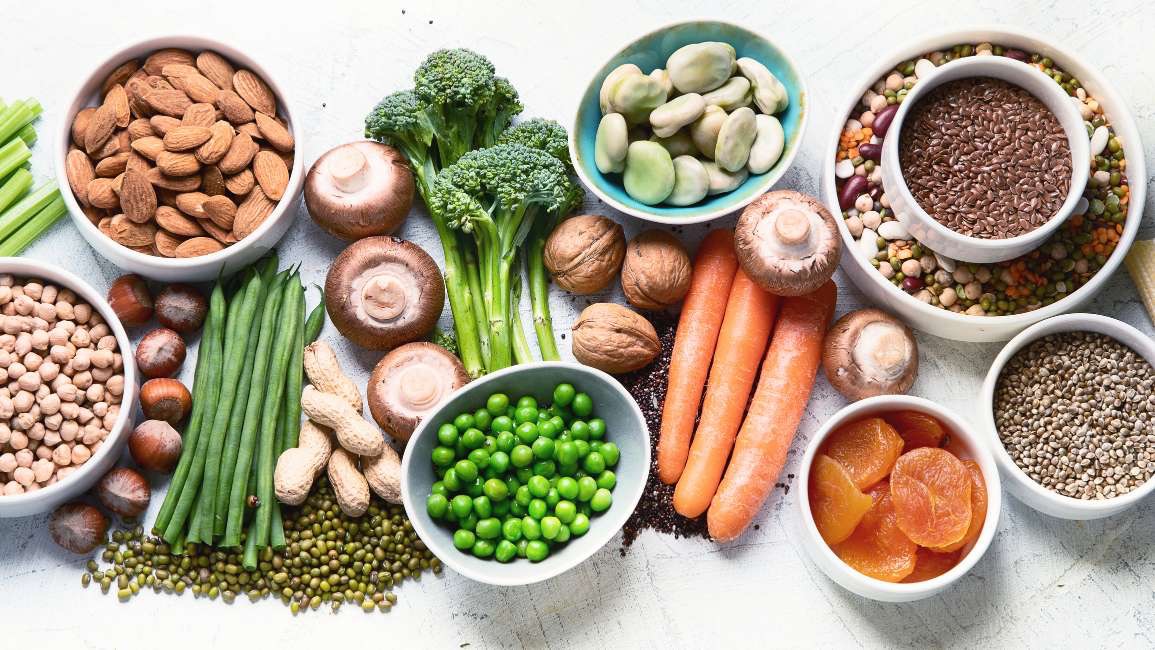
Building muscle as a vegetarian is absolutely possible. For a long time, people believed that only non-vegetarians could get enough protein to build a strong and muscular body. But this is a myth. The truth is that a well-planned vegetarian diet can provide all the protein your body needs to build lean muscle and recover effectively after workouts.
In fact, many top athletes and bodybuilders follow vegetarian or even vegan diets and continue to gain muscle, improve strength, and perform at their best. The key is to understand where your protein comes from and how to combine foods properly to get complete nutrition.
This article explores the best vegetarian protein sources, explains how they help muscle growth, and provides a full-day meal plan to help you achieve your fitness goals naturally.
Why Protein Is Important for Muscle Growth
Protein is the building block of muscle tissue. When you lift weights or perform any resistance training, your muscle fibers experience small tears. During recovery, your body uses amino acids (from protein) to repair and grow those fibers, making them thicker and stronger.
Without enough protein, your body cannot repair or grow effectively, which slows progress no matter how hard you train.
How Much Protein You Need
The general guideline for people who want to build muscle is 1.6 to 2.2 grams of protein per kilogram of body weight per day.
For example:
If you weigh 70 kilograms, you should aim for around 110 to 150 grams of protein daily.
It might sound like a lot, but when you include a variety of high-protein vegetarian foods in your meals, it’s easy to achieve.
Top Vegetarian Protein Sources for Muscle Growth
1. Lentils (Masoor Dal, Moong Dal, Toor Dal)
Lentils are one of the most affordable and effective vegetarian protein sources. One cup of cooked lentils provides around 18 grams of protein, along with fiber, iron, and potassium.
Lentils are slow-digesting, which means they provide steady energy and help with satiety. They also improve gut health, making them ideal for a muscle-building diet.
How to include them:
Add lentils to your lunch or dinner as dal, or make lentil soup, sprouts, or khichdi. Combine them with rice or whole wheat for complete amino acid balance.
2. Quinoa
Quinoa is a superfood and one of the few plant-based sources that contains all nine essential amino acids, making it a complete protein. One cup of cooked quinoa offers around 8 grams of protein and is rich in magnesium, iron, and zinc.
It’s also gluten-free, making it ideal for people with wheat allergies.
How to include it:
Use quinoa instead of rice, mix it with vegetables and paneer for a high-protein lunch bowl, or add it to salads.
3. Greek Yogurt and Paneer
Dairy products are excellent for muscle gain because they contain both whey and casein proteins. Whey is fast-digesting, which helps muscle recovery after workouts, while casein digests slowly, helping repair muscles overnight.
Greek yogurt (hung curd) has about 10 to 20 grams of protein per serving, while paneer contains 18 grams per 100 grams.
How to include them:
Add Greek yogurt to smoothies, or have paneer bhurji, paneer salad, or grilled paneer as a meal.
4. Chickpeas and Beans
Chickpeas (chana), kidney beans (rajma), and black beans are staple vegetarian protein sources that also provide fiber, complex carbohydrates, and essential minerals. One cup of cooked beans gives around 15 grams of protein.
They also support digestive health and stabilize blood sugar levels.
How to include them:
Add chickpeas to salads, make hummus, or have rajma-brown rice for lunch. Roasted chickpeas are also a great high-protein snack.
5. Soy Products (Tofu, Tempeh, Soy Milk, Soy Chunks)
Soy is one of the most powerful plant-based proteins and is a complete source of all essential amino acids. Soy also contains BCAAs (Branched Chain Amino Acids), which are important for muscle recovery and growth.
Protein content:
- Tofu (100g): 15–20g protein
- Soy chunks (50g): 25g protein
- Tempeh (100g): 20g protein
How to include them:
Add tofu or tempeh to stir-fries, curries, or wraps. You can also drink soy milk as a post-workout shake or snack.
6. Nuts and Seeds (Almonds, Chia, Hemp, Pumpkin, Sunflower)
Nuts and seeds not only provide protein but also contain healthy fats, antioxidants, and minerals like magnesium and zinc. They support hormone production, which is crucial for muscle recovery.
Protein content:
- Almonds: 6g per 23 almonds
- Chia seeds: 4g per 2 tablespoons
- Hemp seeds: 10g per 3 tablespoons
How to include them:
Sprinkle seeds on oatmeal or yogurt, eat a handful of nuts as a snack, or add them to smoothies.
7. Whole Grains (Brown Rice, Oats, Millets)
Whole grains are an important part of a vegetarian muscle-building diet. While not complete proteins on their own, they combine well with lentils and beans to form complete protein profiles.
They also provide complex carbohydrates, which are essential for fueling workouts and recovery.
Protein content:
- Brown rice: 5g per cup
- Oats: 6g per serving
- Millets: 8–9g per cup
How to include them:
Eat dal-chawal, oats with milk, or millet khichdi for a balanced meal.
8. Green Peas
Green peas are rich in protein, fiber, and micronutrients. A cup of peas provides around 9 grams of protein. They also help with digestion and provide plant-based iron.
How to include them:
Add peas to curries, rice, or parathas. You can also make pea soup or use them in salads.
9. Peanuts and Peanut Butter
Peanuts are one of the simplest and most affordable sources of protein for vegetarians. Two tablespoons of peanut butter contain around 8 grams of protein along with healthy fats.
How to include them:
Spread peanut butter on whole-grain bread or add a spoonful to your morning smoothie.
10. Spirulina and Plant-Based Protein Powders
If your schedule is busy or you struggle to eat enough protein from whole foods, natural protein powders can help. Spirulina is an algae that is almost 60 to 70 percent protein by weight.
Plant-based protein powders made from peas, brown rice, or soy can also be used to meet daily protein needs.
How to include them:
Blend one scoop of protein powder into a post-workout smoothie with milk, oats, and banana.
How to Combine Vegetarian Proteins for Better Results
Many plant-based proteins lack one or more essential amino acids, but combining foods helps fix that. When you eat different sources together, your body gets all the amino acids it needs for muscle repair.
Best combinations include:
- Rice and lentils (dal-chawal)
- Chickpeas with whole wheat roti
- Oats with milk and nuts
- Quinoa with beans
- Yogurt with nuts or seeds
These pairings make your meals complete and more effective for muscle growth.
Sample High-Protein Vegetarian Diet Plan for Muscle Gain
| Time | Meal | Foods | Approx Protein |
|---|---|---|---|
| 7:00 AM | Morning Drink | Lemon water with soaked almonds | 6g |
| 8:30 AM | Breakfast | Oats with milk, chia seeds, and banana | 25g |
| 11:00 AM | Snack | Roasted chickpeas or peanuts | 10g |
| 1:30 PM | Lunch | Quinoa, dal, paneer curry, and salad | 35g |
| 5:00 PM | Pre-Workout Snack | Soy milk with an apple and nuts | 20g |
| 7:00 PM | Post-Workout Shake | Plant protein powder, milk, oats, dates | 30g |
| 9:00 PM | Dinner | Brown rice, tofu or tempeh, and vegetables | 35g |
| Before Bed | Night Snack | Glass of milk or Greek yogurt | 15g |
Total daily protein: approximately 175 grams, suitable for someone weighing around 75–80 kilograms.
Common Mistakes Vegetarians Make While Building Muscle
- Not eating enough calories: Without a calorie surplus, muscle growth is limited even if you consume enough protein.
- Skipping protein after workouts: Post-workout protein is essential for muscle recovery.
- Ignoring micronutrients: Vegetarians should pay attention to vitamin B12, iron, and omega-3 intake.
- Neglecting strength training: Diet alone won’t build muscle; resistance exercise is necessary.
- Not tracking macros: Keeping track of protein, carbs, and fat ensures your progress stays consistent.
Tips for Building Muscle on a Vegetarian Diet
1. Add Protein Shakes:
Using soy, pea, or brown rice protein powder can help meet daily targets easily.
2. Eat Every 3–4 Hours:
Frequent meals ensure a steady supply of amino acids for muscle recovery.
3. Sleep Well:
Your muscles repair and grow during deep sleep. Aim for at least seven to eight hours of quality sleep each night.
4. Stay Hydrated:
Protein metabolism requires water. Drink at least three to four liters of water a day.
5. Include Healthy Fats:
Nuts, seeds, and olive oil help maintain hormonal balance, which supports muscle growth.
Can Vegetarians Build the Same Muscle as Non-Vegetarians?
Yes. Multiple studies have shown that when total protein intake is the same, plant-based and animal-based proteins are equally effective for muscle growth.
What truly matters is your total daily intake and consistency. A balanced vegetarian diet rich in lentils, soy, paneer, grains, and nuts can provide all the nutrients needed for strength and muscle development.
Conclusion
Building muscle as a vegetarian isn’t difficult. It simply requires knowledge, planning, and consistency. The body doesn’t care whether your protein comes from chicken or chickpeas — it only needs enough amino acids to grow and repair.
By including a mix of lentils, beans, soy, paneer, yogurt, nuts, and grains in your diet, you can easily achieve your protein goals and build lean, strong muscle naturally.
Consistency in both diet and exercise is the key. Eat well, train regularly, and allow your body to rest and recover.
As the saying goes:
“Muscles are built in the kitchen, not just in the gym.”

