
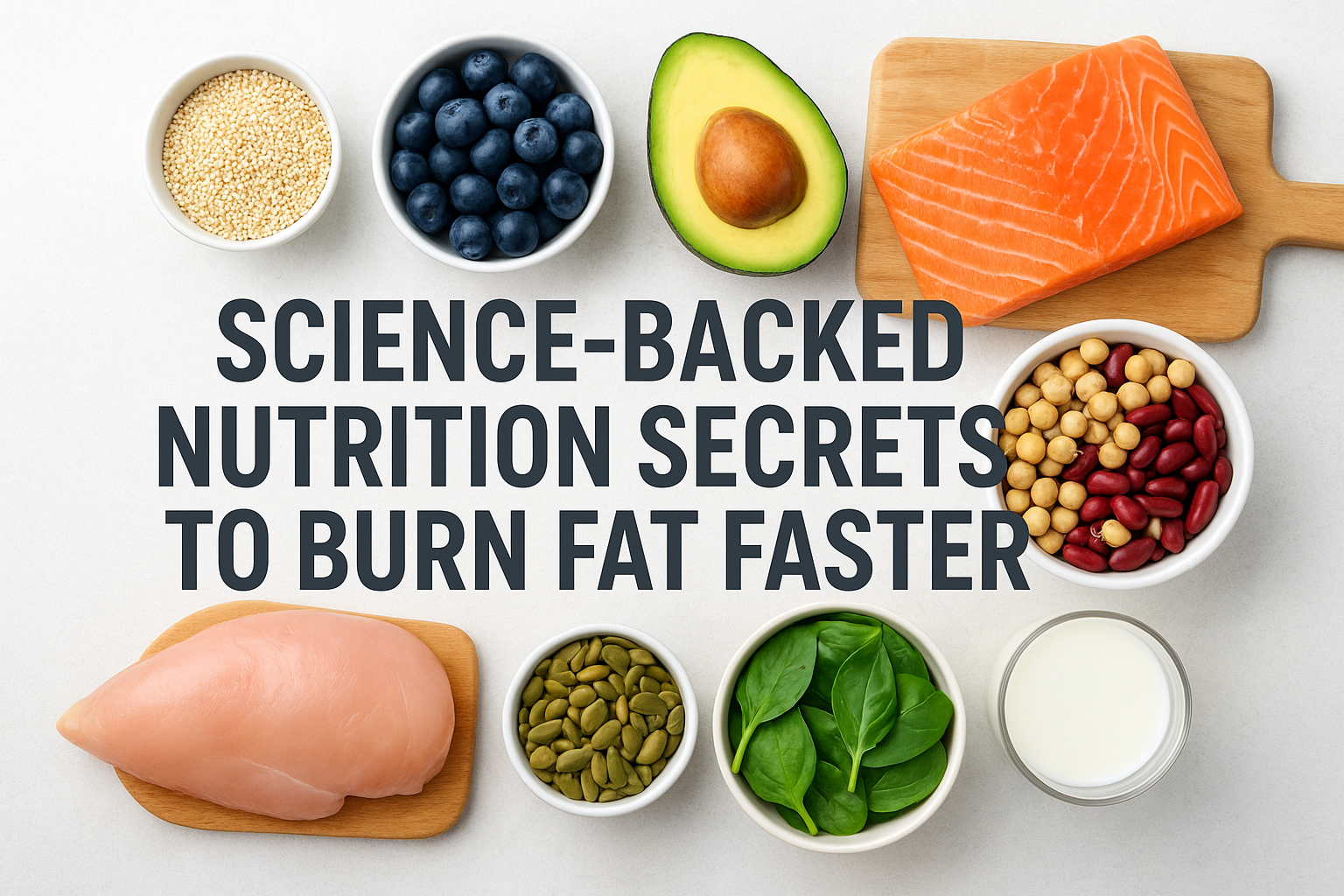
Science-Backed Nutrition Secrets to Burn Fat Faster
Introduction
In an era dominated by quick fixes and crash diets, the science of fat loss remains both fascinating and misunderstood. Sustainable fat loss is not about eating less—it’s about eating smart. Nutrition plays the most critical role in determining how efficiently your body burns fat. Research consistently shows that manipulating food quality, meal timing, and nutrient composition can dramatically influence metabolic rate, hormone balance, and fat oxidation.
In this article, we explore science-backed nutrition secrets that help you burn fat faster—without compromising your health or energy levels.
1. Understand How Fat Burning Works
To understand fat loss, we must first understand metabolism. Fat is stored in adipose tissue as triglycerides. When your body needs energy, it breaks these triglycerides into fatty acids and glycerol, which are then oxidized to produce energy.
This process, known as lipolysis, is regulated by hormones like insulin, glucagon, adrenaline, and cortisol.
- High insulin levels suppress fat breakdown.
- Low insulin and higher glucagon encourage fat oxidation.
Thus, nutrition strategies that stabilize insulin and improve metabolic flexibility are key to faster fat loss.
2. Prioritize Protein: The Thermogenic Macronutrient
Protein is not just for muscle growth—it’s a metabolic powerhouse.
Why Protein Boosts Fat Loss
- High Thermic Effect of Food (TEF): About 20–30% of calories from protein are used just for digestion and metabolism, compared to 5–10% for carbs and 0–3% for fats.
- Preserves Lean Muscle Mass: During calorie deficits, sufficient protein intake helps retain muscle tissue, which maintains a higher resting metabolic rate.
- Improves Satiety: Protein-rich meals reduce hunger hormones like ghrelin, helping you eat fewer calories naturally.
Recommended Intake
Most studies suggest 1.6–2.2 grams of protein per kilogram of body weight daily for optimal fat loss.
Lean protein sources include chicken breast, eggs, fish, lentils, Greek yogurt, tofu, and paneer.
3. Master the Role of Carbohydrates
Carbohydrates are not your enemy—they’re your energy source. The key lies in quality and timing.
Focus on Low-Glycemic Index (GI) Foods
Low-GI carbs like oats, quinoa, brown rice, and legumes digest slowly, preventing sudden insulin spikes and encouraging fat oxidation.
Carb Cycling for Fat Loss
Carb cycling—alternating high-carb and low-carb days—can help prevent metabolic slowdown during prolonged dieting.
- High-carb days fuel workouts and replenish glycogen.
- Low-carb days improve insulin sensitivity and enhance fat metabolism.
Fiber Matters
Dietary fiber slows digestion and keeps you full. Research shows that consuming 25–30 grams of fiber daily can significantly improve fat loss outcomes.
4. Embrace Healthy Fats to Burn Body Fat
Not all fats are created equal. In fact, consuming healthy fats can accelerate fat loss.
The Science Behind Good Fats
Healthy fats support hormone production—especially testosterone and estrogen—which play vital roles in fat metabolism.
They also improve insulin sensitivity and promote feelings of fullness.
Best Fat Sources
- Monounsaturated fats: Olive oil, avocados, almonds
- Omega-3 fatty acids: Fatty fish (salmon, sardines), flaxseeds, walnuts
- Medium-chain triglycerides (MCTs): Found in coconut oil; quickly converted into energy rather than stored as fat
Research published in The American Journal of Clinical Nutrition found that diets rich in monounsaturated fats can increase fat oxidation and energy expenditure.
5. Optimize Meal Timing and Frequency
When you eat can be just as important as what you eat.
Intermittent Fasting (IF)
Several studies suggest that intermittent fasting (16:8 or 18:6) improves metabolic flexibility and enhances fat oxidation by lowering insulin levels for extended periods.
Don’t Skip Breakfast—Unless You’re Fasting
If you eat breakfast, prioritize protein and fiber. A balanced morning meal stabilizes blood sugar and reduces cravings throughout the day.
Evening Nutrition
Avoid heavy carb-loaded dinners. Focus on lean proteins, vegetables, and healthy fats to keep insulin low overnight and support nighttime fat metabolism.
6. Stay Hydrated to Support Metabolism
Hydration directly affects fat metabolism.
Water is essential for the transport and breakdown of fat molecules. Mild dehydration slows metabolism by as much as 2–3%.
Science Insight
A study in the Journal of Clinical Endocrinology and Metabolism found that drinking 500 ml of water increased metabolic rate by 30% for about an hour.
Pro Tip
Start your day with a glass of water, and aim for at least 2.5–3 liters daily, depending on activity level and climate.
7. Manage Insulin for Continuous Fat Burning
Insulin is the master regulator of fat storage. To burn fat efficiently, you need to keep insulin levels stable.
Nutrition Strategies to Control Insulin
- Avoid refined sugars and processed carbs like white bread, sweets, and soda.
- Eat balanced meals containing protein, fiber, and healthy fats.
- Include vinegar or lemon water before meals—studies show this reduces post-meal glucose spikes by up to 30%.
By maintaining lower insulin levels, your body remains in a fat-burning mode longer.
8. Don’t Fear Calories—Focus on Nutrient Density
While calorie control is essential, not all calories are equal. Nutrient-dense foods provide vitamins, minerals, and fiber that regulate metabolism and hormonal balance.
Choose:
- Whole grains over refined carbs
- Lean proteins over processed meats
- Fresh fruits and vegetables over packaged snacks
Avoid:
Empty calories from sugary beverages, alcohol, and fast foods.
A 2020 study in Cell Metabolism confirmed that people consuming ultra-processed foods tend to eat 500+ extra calories daily, leading to fat gain—even when matched for macronutrients.
9. Boost Metabolism with Thermogenic Foods
Certain foods have been shown to naturally increase metabolism and fat oxidation.
Top Thermogenic Foods
- Green Tea: Contains catechins (EGCG) that enhance fat burning.
- Coffee: Caffeine increases metabolic rate by 3–11%.
- Chili Peppers: Capsaicin raises body temperature, promoting fat oxidation.
- Ginger & Cinnamon: Help stabilize blood sugar and stimulate digestion.
Incorporate these into your meals or snacks to get a natural metabolic lift.
10. Sleep, Stress, and Fat Loss Connection
Nutrition doesn’t work in isolation. Sleep quality and stress levels profoundly affect your body’s fat-burning capacity.
Lack of Sleep
Reduces leptin (satiety hormone) and increases ghrelin (hunger hormone), making you crave high-calorie foods.
Chronic Stress
Elevates cortisol, which promotes fat storage around the abdomen.
Nutrition Support
Include magnesium-rich foods (spinach, almonds), herbal teas, and complex carbs in dinner to improve relaxation and sleep.
11. Supplements That Support Fat Loss (Backed by Science)
While whole foods should be your foundation, some supplements have shown measurable benefits.
- Green Tea Extract: Increases fat oxidation during exercise.
- Protein Powder: Helps meet daily protein goals conveniently.
- Omega-3 Fatty Acids: Improve insulin sensitivity and inflammation.
- Probiotics: Enhance gut health, influencing metabolism and weight control.
Always consult a healthcare professional before adding supplements to your regimen.
12. Realistic Fat Loss Expectations
Science emphasizes consistency over speed.
Healthy fat loss occurs at a rate of 0.5–1 kg per week. Faster weight loss usually includes water and muscle loss.
Combine proper nutrition with resistance training, sleep optimization, and hydration for lasting results.
Conclusion
Fat loss is not a mystery—it’s a biological process driven by smart nutrition choices.
By focusing on protein-rich meals, balanced carbohydrates, healthy fats, hydration, and consistent eating patterns, you can naturally enhance your body’s fat-burning potential.
Forget the shortcuts—embrace a scientific, sustainable approach. When you align your diet with the body’s natural metabolism, fat loss becomes not just faster but permanent.

